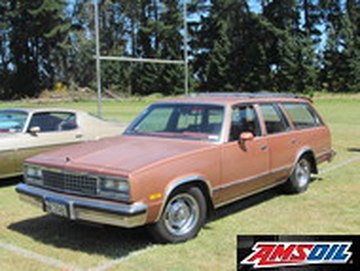
Lubrication Maintenance for the 1982 Chevrolet MALIBU 5.0L
Maintaining a vehicle from the early 1980s requires a proactive approach to fluid management and mechanical inspection. For the 1982 Chevrolet MALIBU equipped with the 5.0L engine, consistent attention to lubrication is a fundamental aspect of long-term engine health. Because older engines may exhibit different sealing characteristics than modern counterparts, understanding how to monitor and respond to changes in lubricant condition is essential for any owner.
Monitoring Fluid Integrity and Potential Leaks
One of the most effective ways to manage an aging engine is through regular visual inspections of the lubrication system. Rather than waiting for a warning light or a significant drop in fluid levels, owners should periodically check for signs of seepage. When inspecting the engine bay, look for any evidence of oil residue on various surfaces or pooling around the bottom of the engine.
If you notice wetness or dark staining on components, it may indicate that a gasket or seal is beginning to weep. It is important to note that such observations do not necessarily point to a single failing part; multiple seals can exhibit age-related seepage over time. Additionally, checking the area around the oil drain plug and the filter mounting surface can help ensure that recent service was performed correctly and that no leaks are developing from those specific points.
Beyond just looking for liquid, pay attention to any unusual odors that may arise during or after operation. A scent of burning oil can sometimes be associated with lubricant contacting a hot engine component, which warrants further investigation to identify the source of the seepage.
Managing Lubricant Condition and Consumption
As engines age, their lubrication requirements and behaviors can shift. It is useful to monitor how much oil the 5.0L engine consumes between service intervals. While some level of consumption is not uncommon in older high-mileage applications, a sudden or significant increase in the frequency of top-offs should be investigated.
The appearance of the oil itself can also provide useful information. When checking the dipstick, observe the color and texture of the fluid. While oil naturally darkens over time due to use, extremely thick or gritty textures might suggest that the lubricant is heavily contaminated or that service intervals are being stretched too far. If you notice any unusual mechanical noises during startup or while idling, these can sometimes be linked to changes in how the lubricant is performing within the engine, though such symptoms can have many different underlying causes.
If the vehicle has been sitting for extended periods, it is a good practice to check the oil level and condition before attempting to start the engine. This ensures that the internal components are adequately coated with fresh lubricant before they are subjected to the stresses of operation.
Prioritizing Maintenance Based on Vehicle History
For owners of a 1982 Chevrolet MALIBU, establishing a clear maintenance baseline is one of the most effective ways to manage long-term ownership. If you have recently acquired the vehicle and do not have access to a complete service history, your first priority should be to document its current state. This involves recording the date and mileage of every oil change, filter replacement, and fluid inspection.
When historical records are incomplete, focus on addressing active concerns first. If there is evidence of an existing leak or if the engine shows signs of unusual consumption, these should be prioritized over general preventive tasks. By creating a documented history of what has been observed and what has been repaired, you can more easily distinguish between normal aging and developing mechanical issues.
As the vehicle continues to age, your maintenance focus may shift from routine fluid changes to more detailed inspections of peripheral components. This includes checking the condition of any accessible belts or hoses that may be subject to heat-related degradation. Using the current physical condition of these parts as a guide—rather than relying solely on the age of the vehicle—allows for a more practical and cost-effective approach to upkeep.
Observing Potential Warning Signs
While many lubrication issues can be caught during routine visual checks, some symptoms require more immediate attention. Any sudden change in how the engine sounds or feels can be an indicator that something requires investigation. For example, if you notice a change in the smoothness of the engine's operation, it is worth checking the fluid levels immediately.
It is also important to remain observant of any changes noticed shortly after performing maintenance. If a leak appears only after an oil change, it may be necessary to re-examine the filter or the drain plug to ensure everything was seated and tightened correctly. Always remember that symptoms like unusual smoke or noise are not definitive diagnoses; they are signals that warrant a thorough inspection by a professional to determine the actual cause.
Selecting Lubricants for Long-Term Engine Care
When it comes to choosing an engine oil, the goal is to match the lubricant to the specific needs of the 5.0L engine as described in your application documentation. Modern lubricant technology offers a variety of formulations that can be beneficial depending on the engine's current condition.
For example, some high-mileage oil formulations contain additives intended for use in aging engines. These formulations may include seal-conditioning additives designed to help maintain the integrity of various gaskets and seals. While these are not a substitute for repairing significant leaks, they can be a useful component of a maintenance strategy for an older vehicle.
Whether you choose a conventional oil, a synthetic blend, or a full synthetic lubricant, the most important factor is ensuring that the product meets the specific requirements listed for your vehicle. Always verify the quality and certification on the product label to ensure it provides the necessary protection against oxidation and deposit formation.
Practical Advice for Buying Engine Oil for your 1982 Chevrolet MALIBU 5.0L
When you are ready to purchase new lubricant, do not rely on general automotive knowledge or assumptions based on the vehicle's age. Instead, match the engine oil to the application-specific viscosity information already displayed on this page. The most reliable way to ensure proper lubrication is to follow the exact specifications provided in your vehicle's technical data.
Before completing your purchase, check the product labeling to confirm it meets the necessary standards for your specific 5.0L engine. If you are considering a high-mileage formulation due to the age of the vehicle, ensure that such a choice aligns with the application information provided above. By strictly adhering to the viscosity and specification details shown on this webpage, you can make an informed decision that supports the continued operation of your 1982 Chevrolet MALIBU.